 English
 Arabic
 Chinese (Simplified)
 Filipino
 French
 Hindi
Hindi
 Japanese
 Korean
 Maori
Maori
 Russian
 Samoan
 Spanish
 Portuguese
 Thai
Thai
 Vietnamese
|
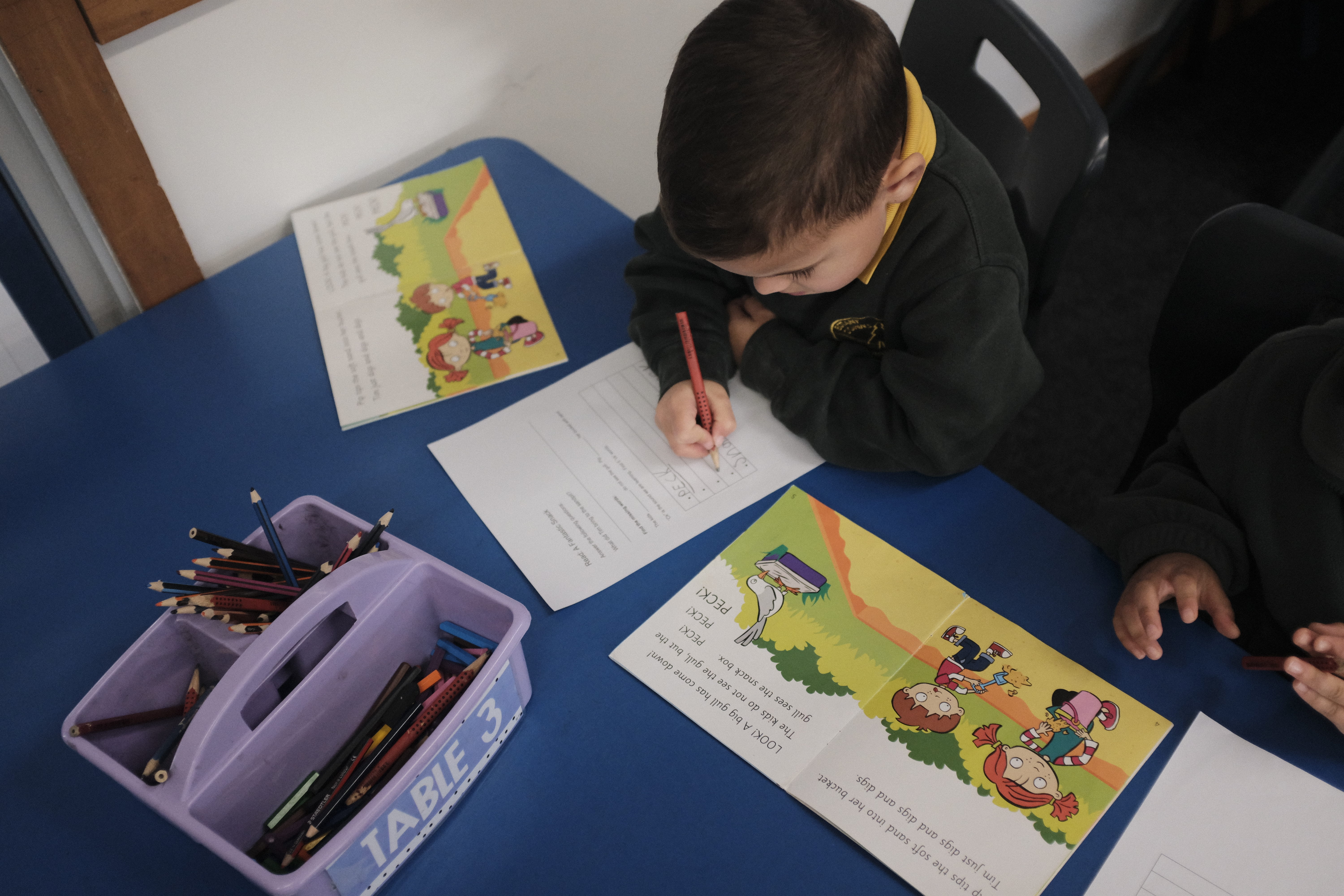
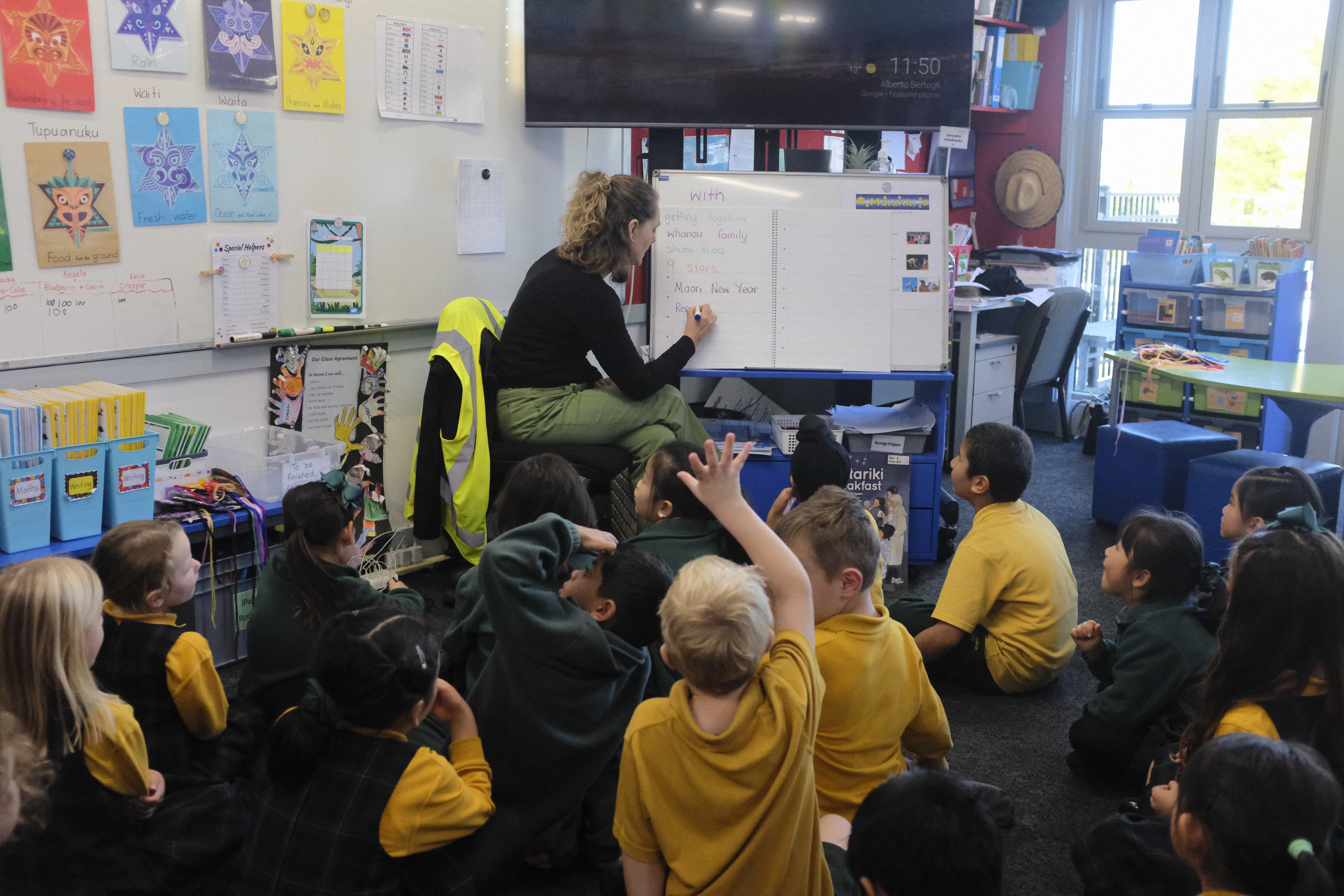
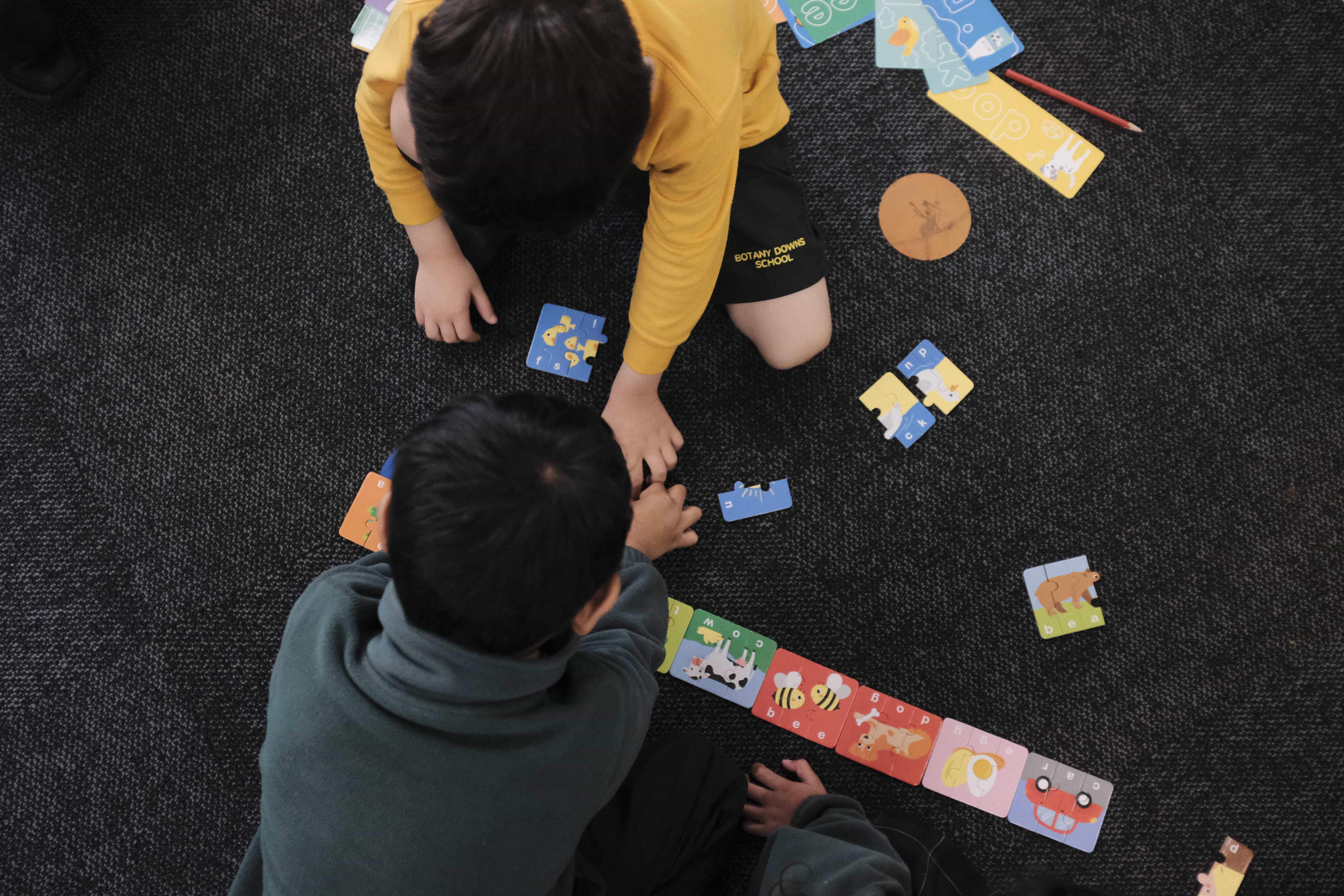
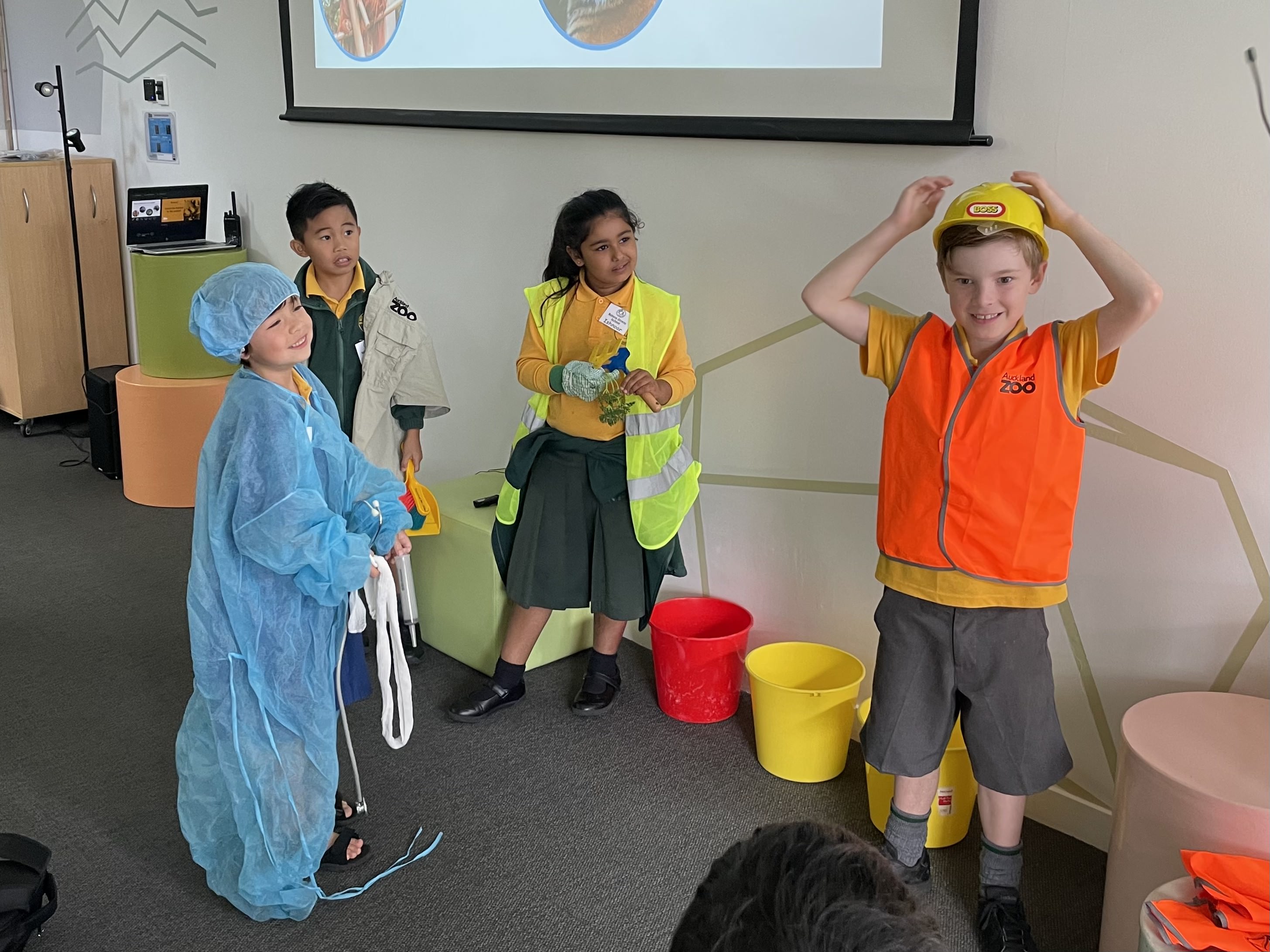
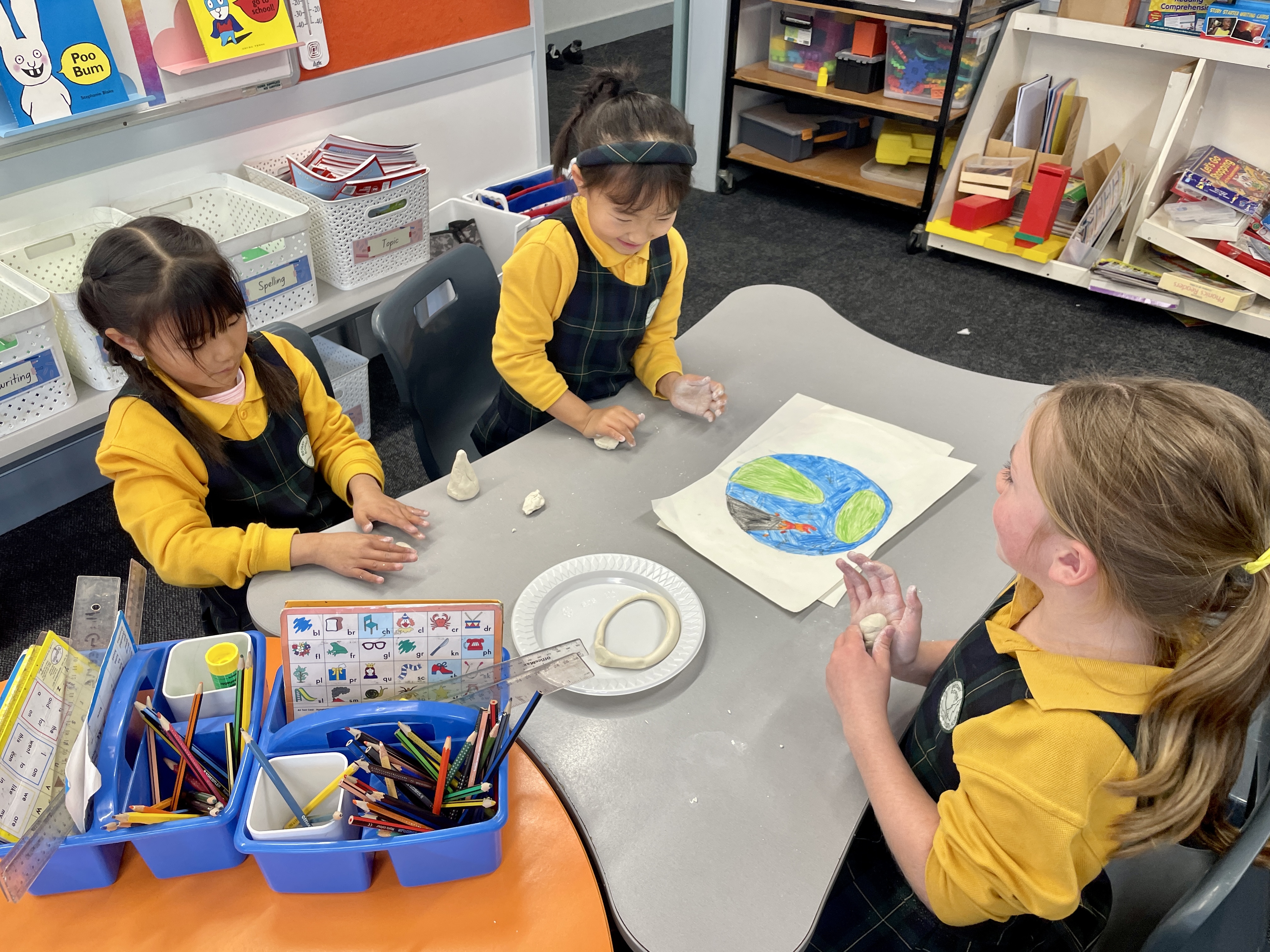
English In Phase One, children build strong foundations in speaking, reading, and writing through a structured and supportive approach. The focus on oral language helps them learn to share ideas clearly and understand others, which strengthens early literacy. Teachers provide daily handwriting lessons, whole‑class phonics teaching, dictation, and shared and independent writing to help children understand how sounds and letters work together. During reading, teachers explore whole‑class texts with students, helping them notice language features, how books work, and how stories connect to their own experiences. The Botany Downs Scope and Sequence guides the step‑by‑step teaching of decoding skills so children can confidently read new words. As their decoding becomes stronger and into Phase Two, our students read a wider range of fiction and non‑fiction, and the focus gradually shifts from sounding out words to building reading fluency and comprehension. There is a shift from ‘learning to read’ to ‘reading to learn’. Maths Across Phase One and Phase Two, students learn mathematics through the Botany Downs School scope and sequence, which aligns with key Oxford resources and organises learning from Years 0–6 into the strands of Number, Algebra, Measurement, Geometry, Statistics, and Probability (introduced from Year 5). In Phase One, the focus is on building strong early mathematical thinking as students investigate, sort, and describe quantities, shapes, and data. Teachers emphasise key number properties and shape features, using hands‑on materials and visual models to make ideas clear. In Phase Two, students use a wider range of representations to model number operations and solve word problems. Inquiry Social Sciences help students understand how people and communities work, exploring people, places, cultures, histories, and economic systems at local, national, and global levels. Learning is grounded in New Zealand’s bicultural foundation shaped by Te Tiriti o Waitangi, and students are encouraged to consider multiple perspectives and how societies respond to social, political, and environmental issues. Science helps students understand how the natural and physical world works, teaching them that science is a process of investigation—asking questions, gathering evidence, carrying out experiments, and communicating findings. Our Botany Downs Inquiry design links Science and Social Sciences to key events happening locally, in New Zealand and globally so that learning is relatable and authentic for our students. |
|